

Getting an MRI scan on the NHS involves a familiar ritual for many: the GP referral, the wait for a letter, and the nervous period before the appointment itself https://turbomines.eu.com/. Across the UK, the time between referral and results differs a lot, depending on where you live and how critical your doctors think your case is. The NHS endeavours to hit its diagnostic targets, but patients still often face weeks or months of ambiguity. That stretch of waiting becomes its own part of the process. It’s interesting that this kind of anticipation shares a conceptual link with strategic online games like Turbo Mines Game. Both involve analysis, spotting patterns, and taking informed risks. This article examines how medical imaging works in the UK, describes what an MRI involves, and considers how the mental focus used in gaming might offer a valuable distraction during a healthcare wait.
The Landscape of Medical Imaging and MRI Wait Times across the UK
Medical imaging, and MRI scans in particular, is fundamental to modern diagnosis in the UK. The technology gives detailed pictures of soft tissue without using ionising radiation. Demand for these scans continues to grow, pushed by an older population and better medical understanding. Managing this demand is a major challenge for the NHS. The latest figures show a postcode lottery. Average waits for non-urgent MRI scans swing wildly from one NHS trust to another, from a few weeks to over half a year in some places. This patchy picture shows the pressure imaging departments are under, and it stresses how vital referral pathways and capacity planning really are.
A few key things create these waiting lists. The main problem is simple volume: there are too many referrals and not enough MRI scanners or the specialist staff needed to run them. Scanner downtime for maintenance adds to the delays, and each scan itself is a lengthy process, often taking between 30 and 60 minutes. The NHS Long Term Plan promises to boost diagnostic capacity, including new community diagnostic hubs, but this rollout takes time. For patients, the wait is more than a nuisance. It generates real anxiety, can hold up treatment, and affects mental well-being during a period that’s stressful enough already.
Moving Forward: The Future of Medical Imaging in the NHS
Medical imaging in the UK is poised for transformation. Technology is progressing toward faster, more precise scanners and the application of artificial intelligence. AI algorithms are under development to support radiologists by identifying potential areas of concern on scans. This could speed up analysis and minimize human error. Another major development is the launch of Community Diagnostic Centres across England. These CDCs aim to take routine scans away from busy acute hospitals, providing more accessible locations and dedicated capacity to tackle the backlog.
These centres are a key part of the https://www.ibisworld.com/united-states/economic-profiles/new-mexico/ NHS plan to restore diagnostic services. Other notable advances include more open, less confining scanner designs and techniques that reduce scan times without sacrificing image quality. For patients, these innovations should mean not just reduced waits but also a superior experience during the scan itself. As these changes come in, the goal is to lessen the anxiety-filled wait for a diagnosis, helping people move more rapidly from concern to care.
Intellectual Focus: Parallels Between Strategic Gaming and Diagnostic Processes
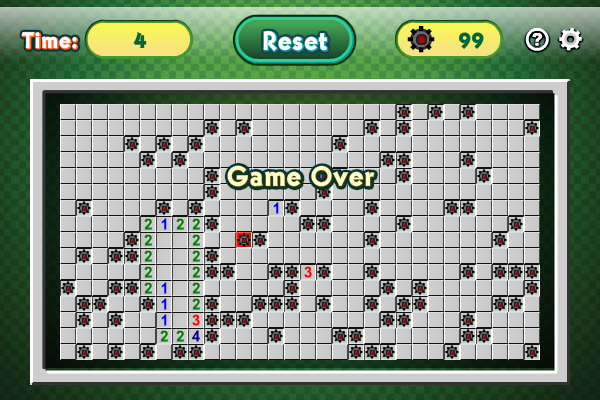
Healthcare assessment and a title like Turbo Mines Game look to have no connection. But dig deeper and you’ll see they both hinge on identifying patterns, thinking about probability, and choosing strategic choices. A radiologist closely inspects an image, identifying anomalies against a field of normal anatomy. This is comparable to identifying safe squares among hidden “mines” using numerical clues. Both tasks demand logical thinking, patience, and a measured approach of risk and reward before taking action.
Making this parallel is not about making light of medical diagnosis. It’s to show how playing strategic games can train similar mental skills in a controlled, low-stakes setting. For someone anticipating medical news, losing yourself in a game that needs logic can work as an active distraction. It redirects mental energy away from fruitless rumination and towards a task with a clear structure. The small satisfaction of correctly deducing a clear way in a game can reinforce your own analytical skills at a time when you might feel your health journey is outside your influence.
The Purpose of Non-public Healthcare and Alternative Imaging Options
Faced with long NHS waits, some people in the UK consider private medical imaging. Private hospitals and diagnostic centres offer MRI scans, often with much shorter waits. You could obtain an appointment within a week. This route generally demands private health insurance or covering the cost yourself, with costs running from several hundred to over a thousand pounds depending on what part of the body is scanned. It’s a significant financial decision, but it brings speed and often more flexibility with appointment times.
One vital point: opting for a private scan won’t automatically expedite you for NHS treatment. You’ll receive the results and a radiologist’s report, but any follow-up treatment would have to be handled privately. If you wish to return to the NHS for treatment, you’d go back onto NHS waiting lists for consultant appointments and any surgery. Also, an MRI is not always the appropriate choice. Sometimes an X-ray, ultrasound, or CT scan is more appropriate. Your GP or specialist can recommend the best type of imaging for your specific situation.
Useful Tips for Handling Your MRI Scan Wait in the UK
You can’t make the waiting list shorter yourself, but you can take action to manage the period more successfully. Start by confirming your referral details are correct with your GP’s practice. If your symptoms worsen for the worse during the wait, ring your GP right away. This could indicate your case gets re-prioritised. Employ the time to get ready practically. Read up on the MRI process so it feels less mysterious, jot down questions for your doctor, and sort out things like transport for your appointment day.
Psychological Health Strategies During the Wait
Caring for your mental health is crucial. Attempt to curb endless online searches about your symptoms, as this often causes anxiety greater. Some people discover it helpful to set aside a short, dedicated “worry time” each day to contain those thoughts. Engage in activities that need your full attention. That could be reading, a craft project, gardening, or playing a strategy game. The objective is to discover something that needs active concentration, to shift your mind away from passive worrying. Physical activity assists too, even gentle walks, by decreasing stress hormones and improving your mood.
Don’t overlook the value of speaking to others. Reach out to friends or family, or search for support groups for people with similar health concerns. Charities specialising in specific conditions often have outstanding resources and helplines. Bear in mind, feeling worried about a medical wait is totally normal. Acknowledging these feelings and then deliberately deciding to do something absorbing and fulfilling, like finishing a level in a logic game, can make the waiting period seem less daunting and more achievable.
Grasping the MRI Scan Process from Doctor’s Order to Results
The route to an MRI can appear unclear. It usually starts with a request from your GP or a hospital consultant. They will suggest a scan to examine symptoms like persistent headaches, joint problems, or neurological concerns. This referral gets assessed based on how urgent it is. Suspected cancer cases move most rapidly, under the two-week wait rule. Once your scan is booked, you’ll get a letter with the appointment and instructions. These might contain fasting or guidance on leaving metal items at home.
What Happens During Your MRI Appointment
When you arrive at the hospital or imaging centre, a radiographer will query you safety questions. They need to know about any implants, whether you could be pregnant, and your medical history. You must remove all metal objects because the machine uses a powerful magnet. The radiographer will guide you lie on a narrow bed that slides into the cylindrical scanner. Staying completely still is essential for clear images. The scan itself causes no pain, but the machine makes loud, repetitive knocking noises. You’ll be given ear protection. Most places give you a panic button to hold throughout, which gives a sense of control.
Communicating with Your Care Team
Talking clearly with your care team matters. If you know you’re claustrophobic, tell them ahead of time. They might suggest a mild sedative or consider using an open MRI scanner if the hospital has one. After your scan, a expert physician called a radiologist examines the images and writes a report for the clinician who referred you. This interpretation stage is detailed work and can take from several days to a couple of weeks. You won’t get results on the day. Instead, your GP or consultant will contact you, usually by scheduling a follow-up appointment, to talk through the findings and what should happen next.
The Personal Side of Waiting
The period between having the scan and getting the results is often the hardest part mentally. People describe feeling stuck in limbo, their minds racing through every possible outcome. The NHS has scarce direct resources to help cope with this anxiety, so it often falls to individuals to find their own ways to cope. This is where activities that require focus and strategy can help. They provide a mental break from going round in circles with worry. Like a complex puzzle, certain games can engage your thinking in a constructive way.
FAQ
What’s the present typical wait time for an NHS MRI scan in the UK?
Average wait times differ a lot based on your local trust and how medically urgent your case is. For non-emergency, standard referrals, waits can be in the range of 6 to 18 weeks or even greater in some regions. Suspected cancer cases are prioritised and should be seen within two weeks. The most accurate local information is typically on your local NHS trust’s website, or you can ask your GP for an estimate.
Can I choose which hospital to have my NHS MRI scan at?
In England, yes. The NHS Constitution offers you the right to choose where you go for your first outpatient appointment, which covers diagnostic services like MRI, as long as the provider is commissioned by the NHS. Your GP should talk to you about this choice when they make the referral. Sometimes, this lets you pick a hospital with a shorter waiting list.
What steps should I take if my symptoms get worse while I’m waiting for my scan?
Contact your GP immediately. Don’t wait for your scan appointment. A major change in your symptoms might need an urgent clinical review, and it could mean your referral gets moved up the list. Your GP can review your condition and, if needed, contact the hospital to try to speed things up or find another urgent pathway.
Exist any risks associated with having an MRI scan?
Magnetic resonance imaging is generally very safe because it avoids ionising radiation. The main risks are linked to the powerful magnet, which can affect certain metallic implants or objects in the body. That’s why they perform thorough screening beforehand. Some people experience anxiety or claustrophobia. There’s also a small chance of an allergic reaction if a contrast dye is used.
How can I manage feelings of claustrophobia during the scan?
Notify the MRI department well before your appointment. They can talk you through it, provide a practice run, or provide a mild sedative. Some units have “open” MRI scanners that are less enclosed. During the scan, you’ll have a panic button to hold, and many places allow a companion to stay in the room with you. Closing your eyes or listening to music can also help.
What occurs after the MRI? How do I get my results?
You won’t receive results straight after the scan. A radiologist studies the images and writes a report for the doctor who referred you. This can take between one and three annualreports.com weeks. Your GP or consultant will then contact you, normally to schedule a follow-up appointment, to go over the report and discuss the next steps, whether that’s treatment or more tests.
Navigating an MRI scan wait through the NHS requires patience and a deliberate approach to your own well-being. While the NHS works to expand its diagnostic capacity, you can assume some control by understanding the process, speaking frankly with your care team, and identifying ways to reduce the anxiety of waiting. Activities that need strategic thought, similar to the analysis in medical imaging itself, can offer a valuable mental diversion. In the end, understanding the system and tending to your mental health work together to render the whole healthcare experience a bit less daunting.